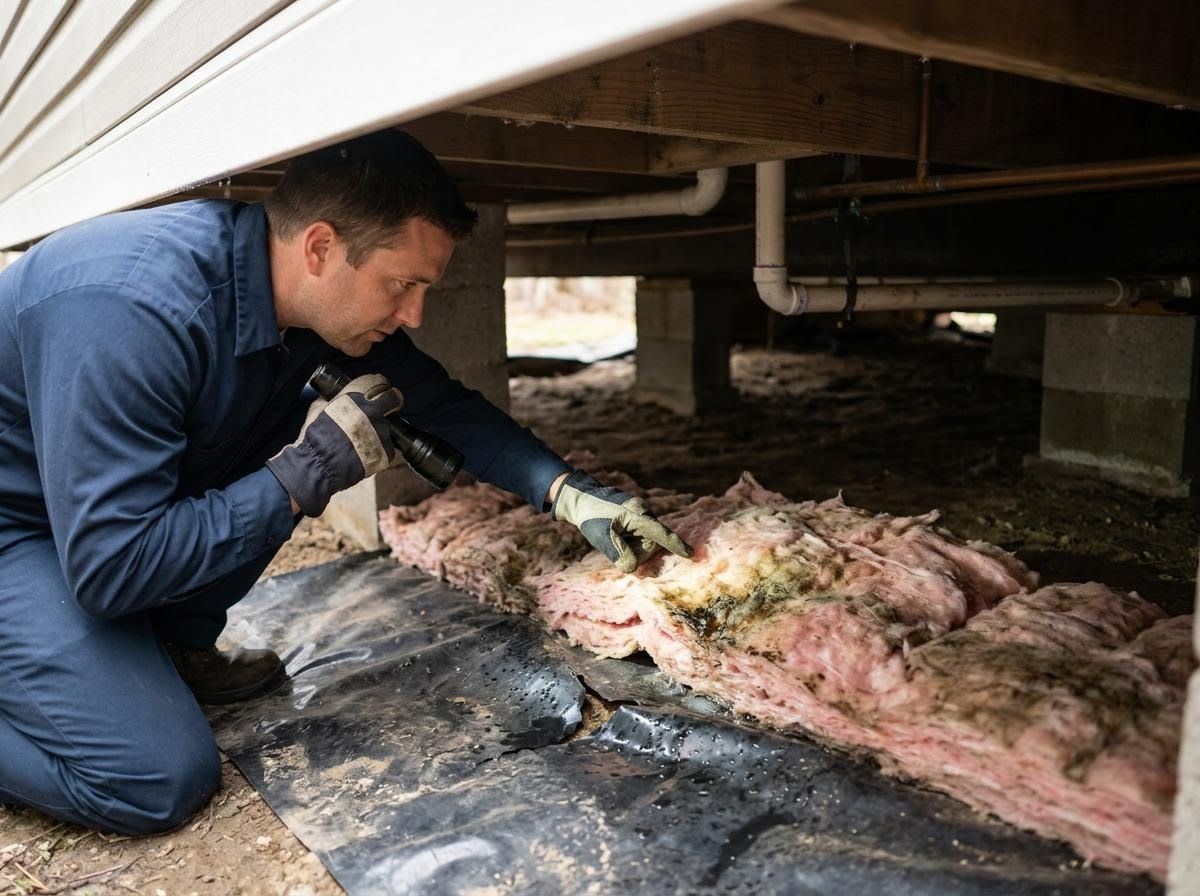
Experiencing wet insulation under your mobile home can be a sign of underlying issues that threaten the structural integrity and comfort of your home. It's a problem that often goes unnoticed until symptoms like higher utility bills or musty odors appear. Understanding the common culprits behind this damp dilemma is crucial for timely intervention and protecting your investment, and here at UnderHome Armor LLC, we frequently help homeowners diagnose and resolve these issues.
Plumbing Leaks and Drainage Problems
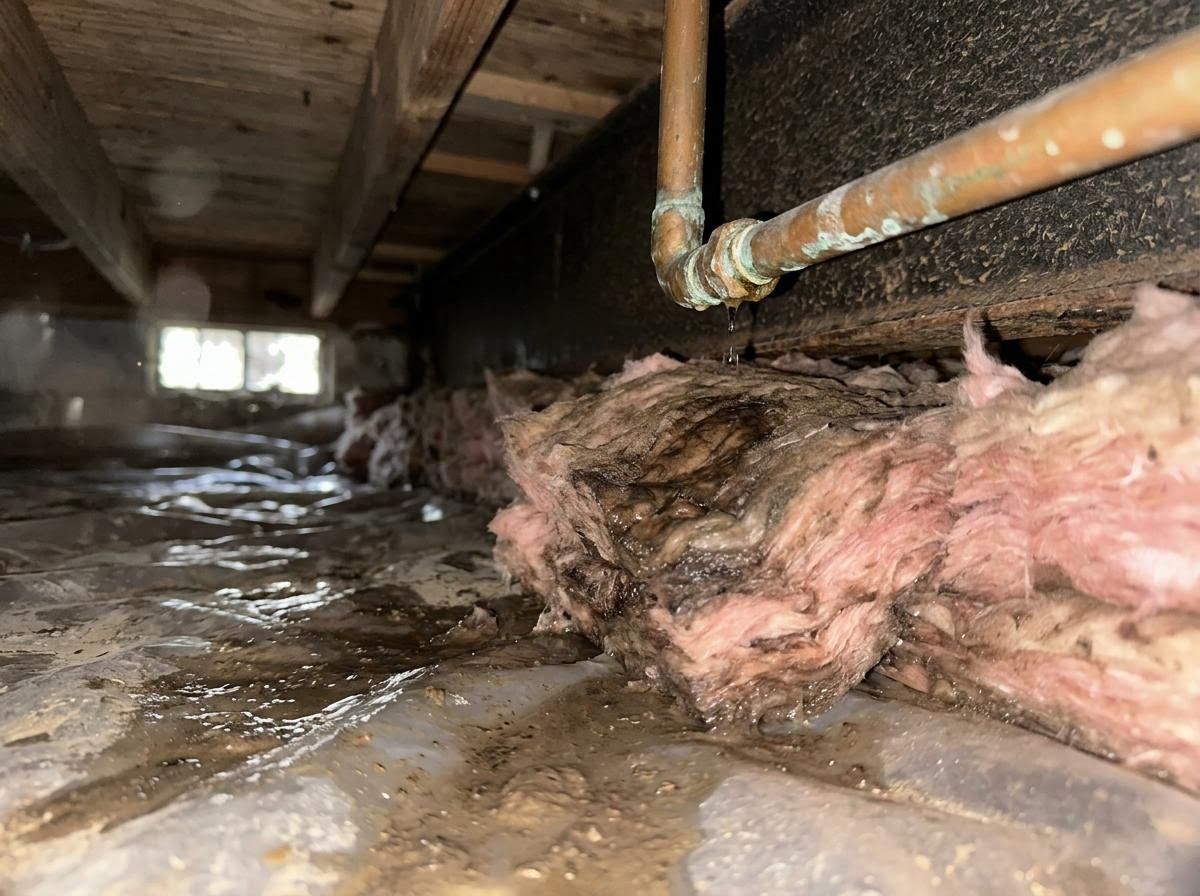
One of the most common reasons for wet insulation is hidden plumbing leaks. Water lines, drain pipes, and even water heaters located within the mobile home's underbelly can develop leaks over time due to age, shifting, or damage. These leaks, often slow and insidious, can saturate insulation without immediate visible signs inside the living space. Additionally, poor exterior drainage around the mobile home can lead to water pooling near the foundation, which then seeps into the crawl space, dampening insulation from below. Ensuring proper grading and functioning gutters are key preventative measures.
Compromised mobile home vapor barrier
The vapor barrier under mobile home plays a critical role in protecting the subfloor and insulation from ground moisture. This barrier, typically a durable sheet of polyethylene, is designed to prevent moisture vapor from rising from the earth into the mobile home's underbelly. If the mobile home vapor barrier is torn, punctured, or improperly installed, it loses its effectiveness. Gaps or damage in this protective layer allow ground moisture, humidity, and even standing water to directly contact and saturate the insulation, creating a breeding ground for mold and mildew and eventually leading to mobile home floor repair.
Condensation and Ventilation Issues
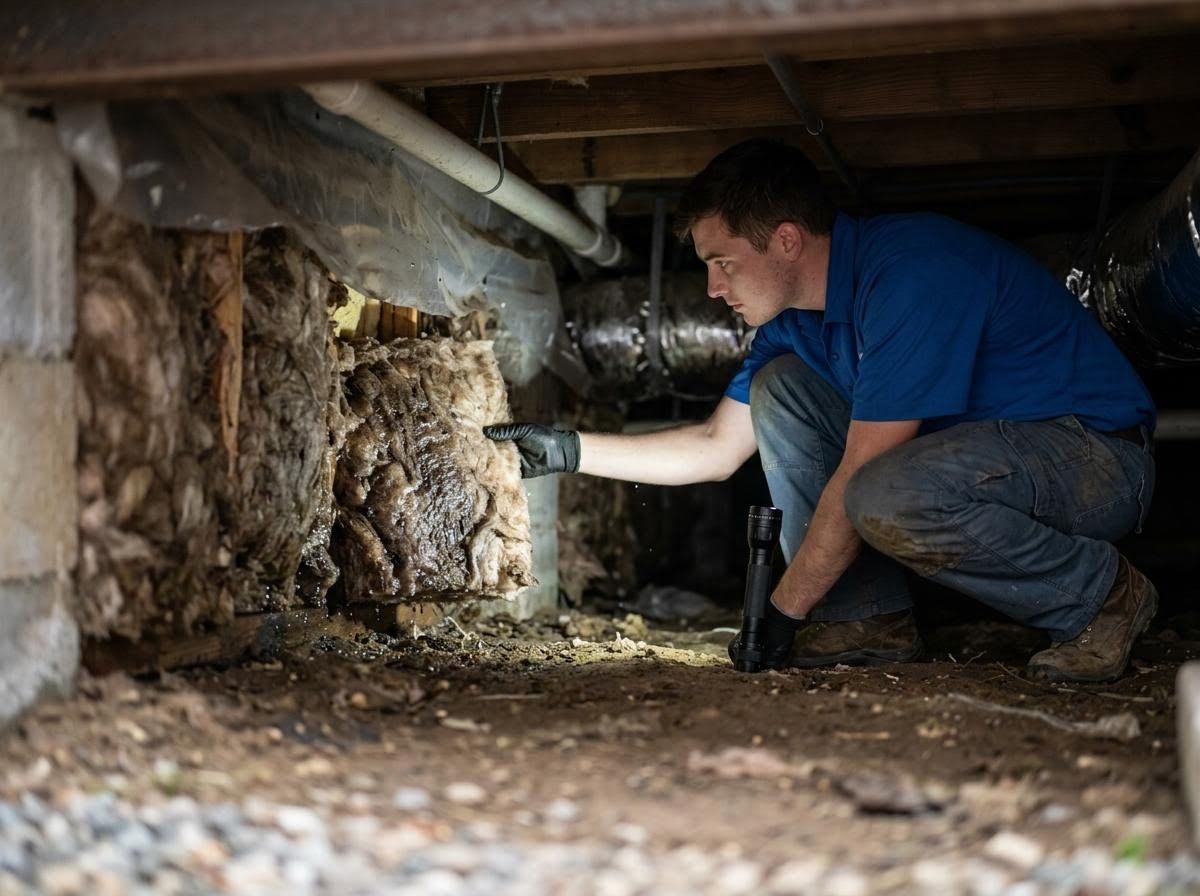
Condensation is another significant contributor to wet insulation. When warm, humid air from the outside or from leaks inside the home meets cooler surfaces in the crawl space, moisture can condense, much like a cold glass of water on a hot day. This is particularly prevalent in climates with high humidity, like Florida. Inadequate ventilation in the mobile home's underbelly exacerbates this problem, trapping moist air and preventing it from drying out. Without proper airflow, the trapped moisture continuously dampens the insulation, diminishing its R-value and leading to substantial energy loss.
External Factors and Neglect
Beyond internal issues, external factors can also play a role. Severe weather, such as heavy rains or flooding, can introduce large amounts of water into the crawl space, overwhelming existing protective measures. Improperly installed or damaged skirting can create openings for water intrusion and hinder proper air circulation. Neglecting minor issues, such as small tears in the vapor barrier or slow drips, allows them to escalate into significant problems that require extensive mobile home floor repair. Addressing these issues promptly is vital to prevent more costly and complex repairs down the line.
Understanding what causes wet insulation is the first step toward a healthier, more energy-efficient mobile home. Ignoring these warning signs can lead to serious structural damage, poor air quality, and increased energy bills. If you suspect issues with your mobile home vapor barrier or are concerned about mobile home floor repair cost, seeking professional guidance is advisable. To learn more about identifying and resolving these common mobile home challenges, consider reaching out to a local expert for an assessment of your home's underbelly. For those in Florida concerned about mobile home underbelly repair near me, UnderHome Armor LLC is ready to assist.